


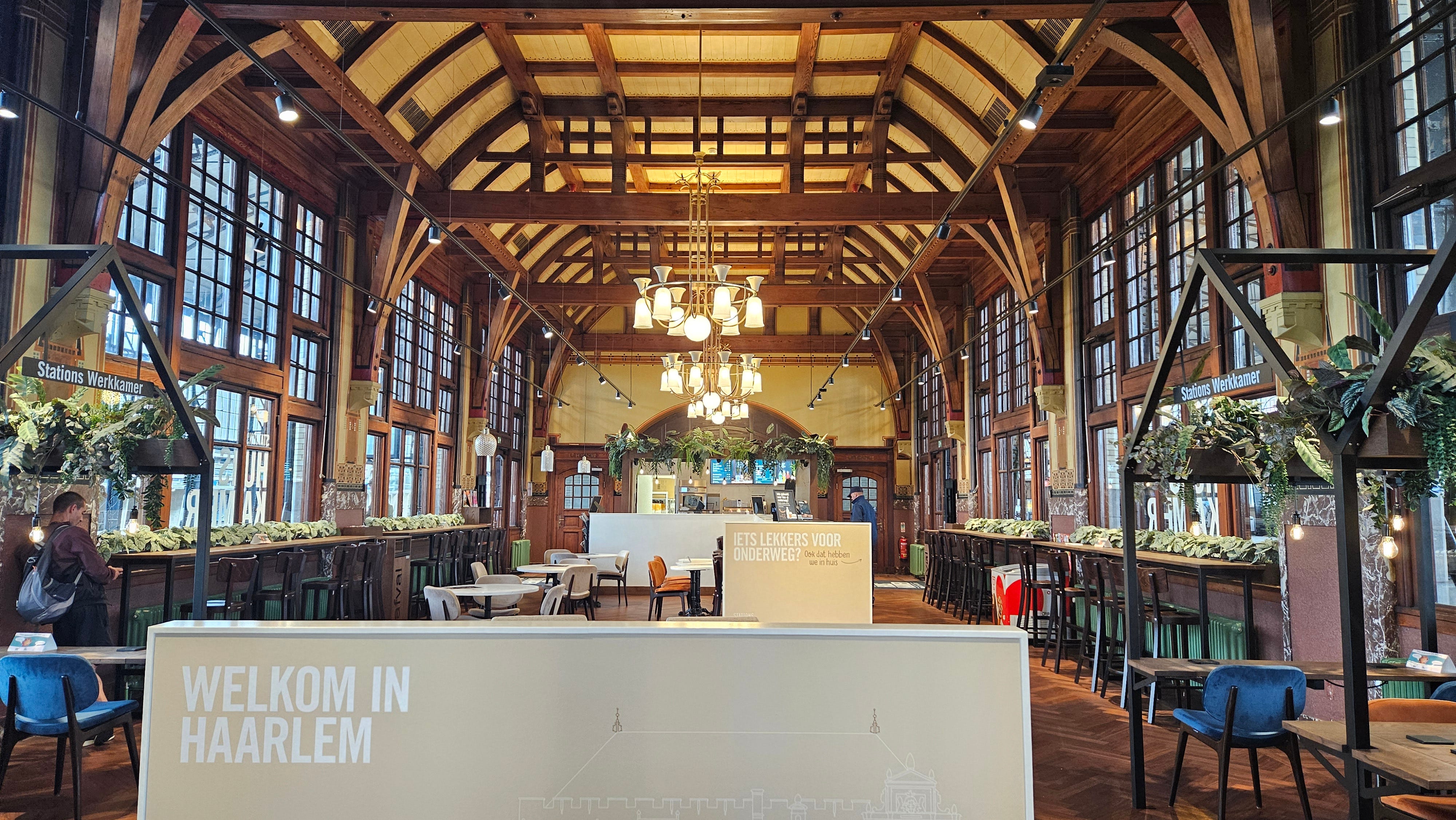
One of the reasons I enjoyed Haarlem so much is that it is filled with numerous small shops, gardens, cafes and restaurants. I also saw many young children out with their parents (often on bicycles), as well as teenagers, young couples, the middle-aged and the elderly. In other words, it is a lively, modern, vibrant city.
Yet Haarlem also treasures its past. From its lovely cobblestone streets to its canals and gabled brick buildings, its centuries of history are still evident everywhere you look.
Haarlem was first mentioned in writing in the first half of the 10th century and became an officially chartered city in 1245. By the Dutch Golden Age (16th and 17th centuries), it had become a major center for beer brewing, linen and textiles, shipbuilding, and printing and publishing. Along with its wealth came strong support for art, culture and learning.
Some of Haarlem’s major treasures include:
The Grote Markt
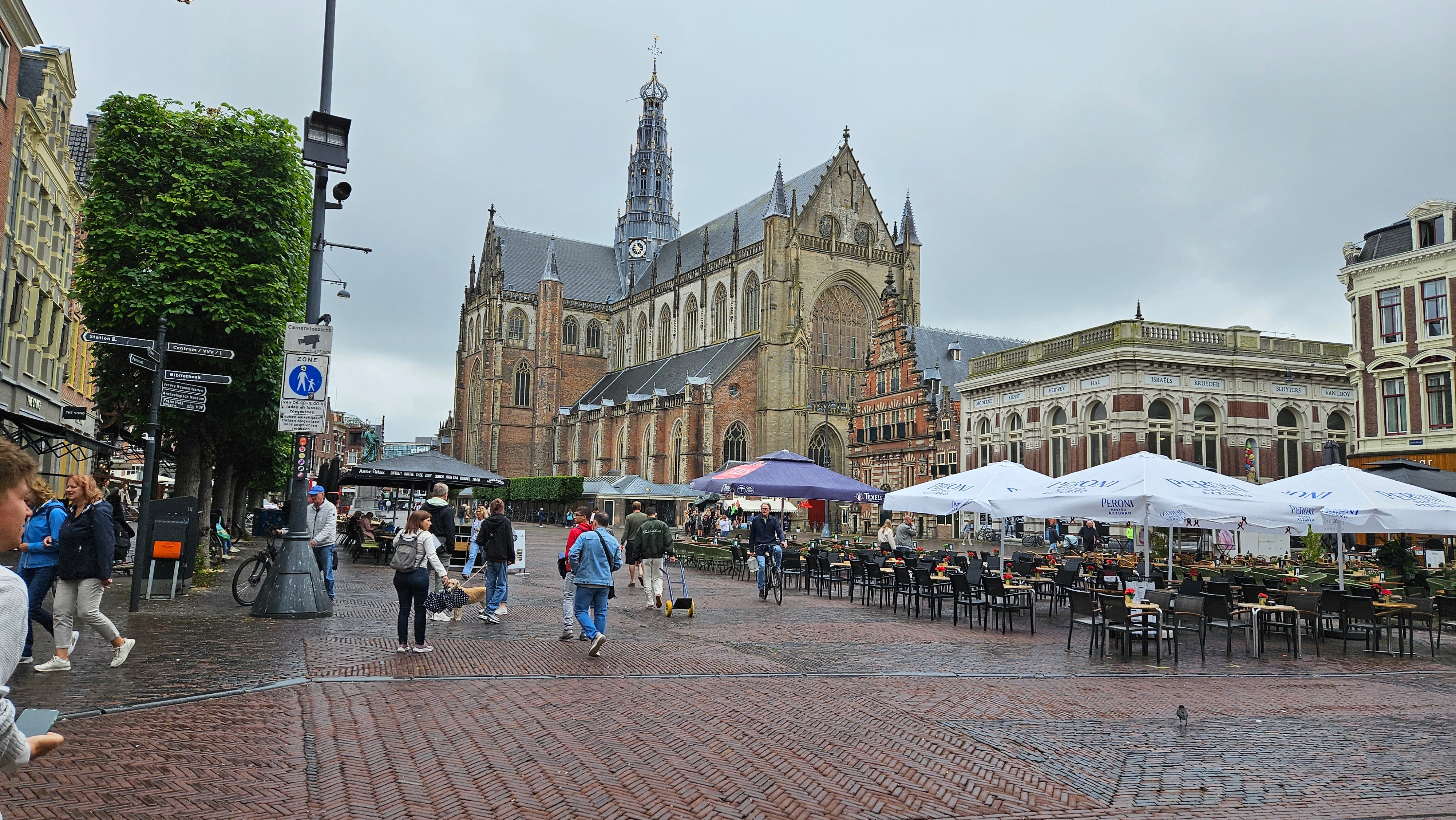
The heart of Haarlem is the Grote Markt (big market), which is actually a large square dating from the 10th century. You will find some amazing historical buildings on the square, including St. Bavo Church, the Vleeshal, and Town Hall. A lively market also takes place there every Saturday.
It’s interesting to think that when Haarlem received its city charter in 1245, the Grote Markt was already its civic and commercial center. Just a few activities that took place there included religious processions, public proclamations by city officials, civic celebrations, and weekly markets selling vegetables, grain, cheese, meat, fish, cloth and livestock. (Kind of like today!)
The Grote of St.-Bavokerk (Great Church of St. Bavo)
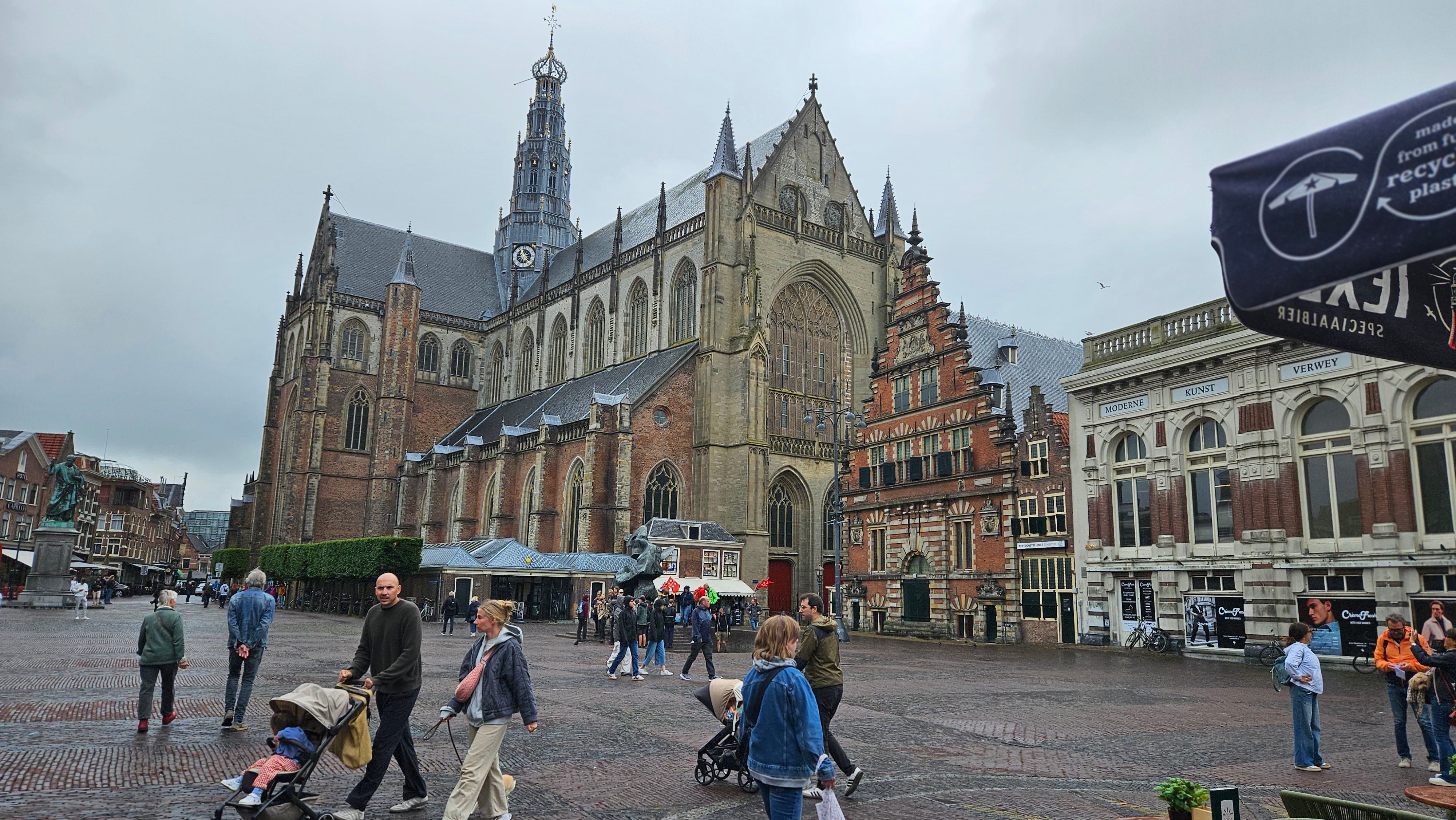
The Grote Markt is dominated at one end by the Great Church of St. Bavo, an awe-inspiring edifice built between 1370 and 1538 in the Brabant Gothic architectural style. It began life as a Roman Catholic church, but it became a Dutch Reformed Protestant church in 1578 when Calvinists took control of Haarlem’s churches and expelled Catholic authorities.
I started wondering just who St. Bavo was and learned he had been born into a noble family near Liège, Belgium, around 589. He grew up, got married, and for quite some time lived a life of wealth and privilege. After his wife died, however, he suddenly underwent a profound religious conversion, gave away all his possessions, and devoted himself to an ascetic life. After his death around 654–659, stories about his miracles and saintliness spread, and he eventually became the patron saint of both Ghent and Haarlem.
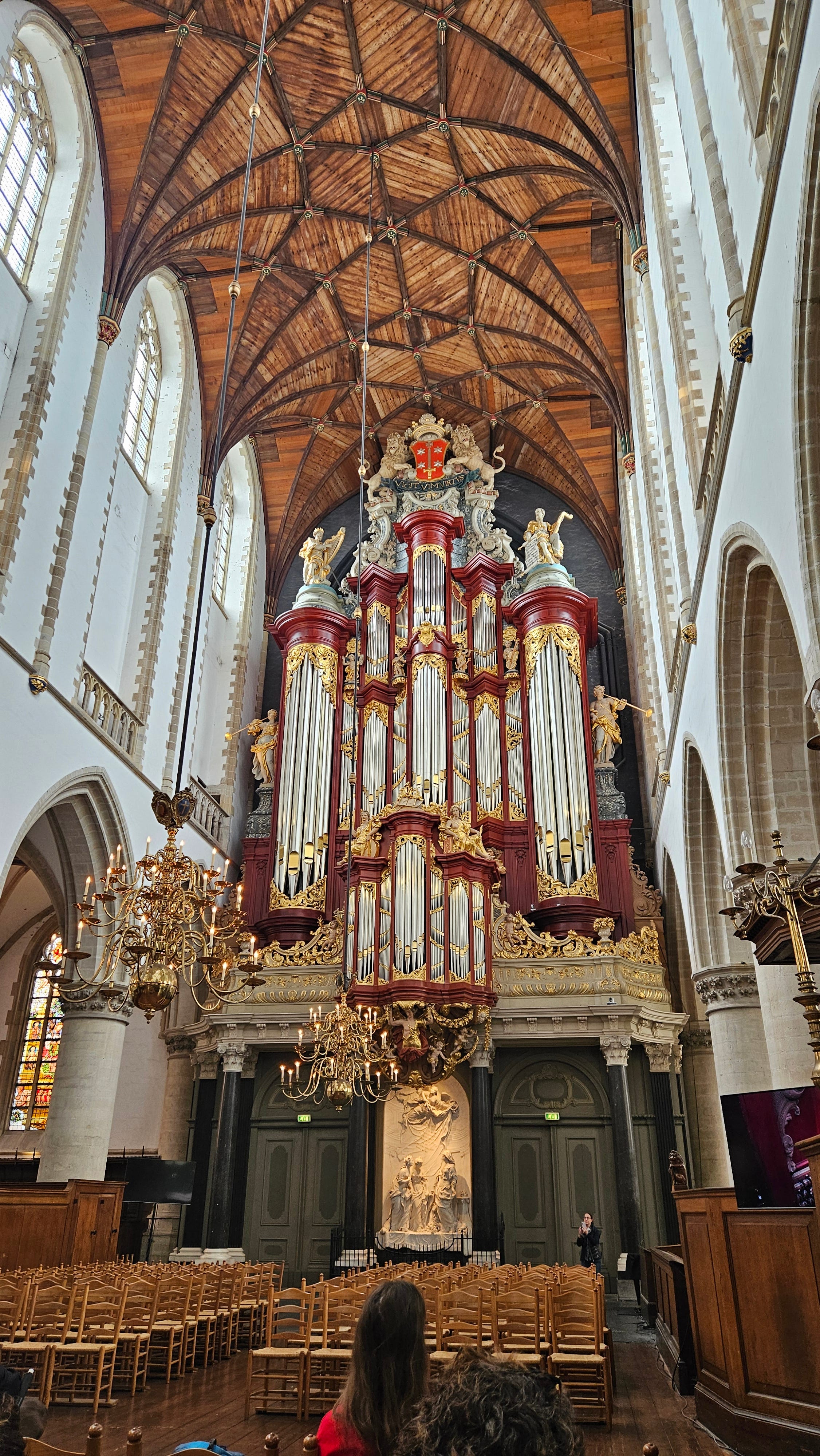
Because the soft Dutch ground could not support the weight of stone vaulting, the church’s beautiful ceiling is made of wood. Its most striking feature, however, is its pipe organ. Built between 1735 and 1738, the organ consists of 5,068 pipes and is almost 30 meters (98 ft.) high.
While I was visiting the church, an organist began playing music from behind the scenes and the sound was truly magnificent. For some reason, I was particularly touched by the thought that a 10-year-old Mozart had played this organ in 1766. And now I was listening to someone play the same instrument 260 years later.
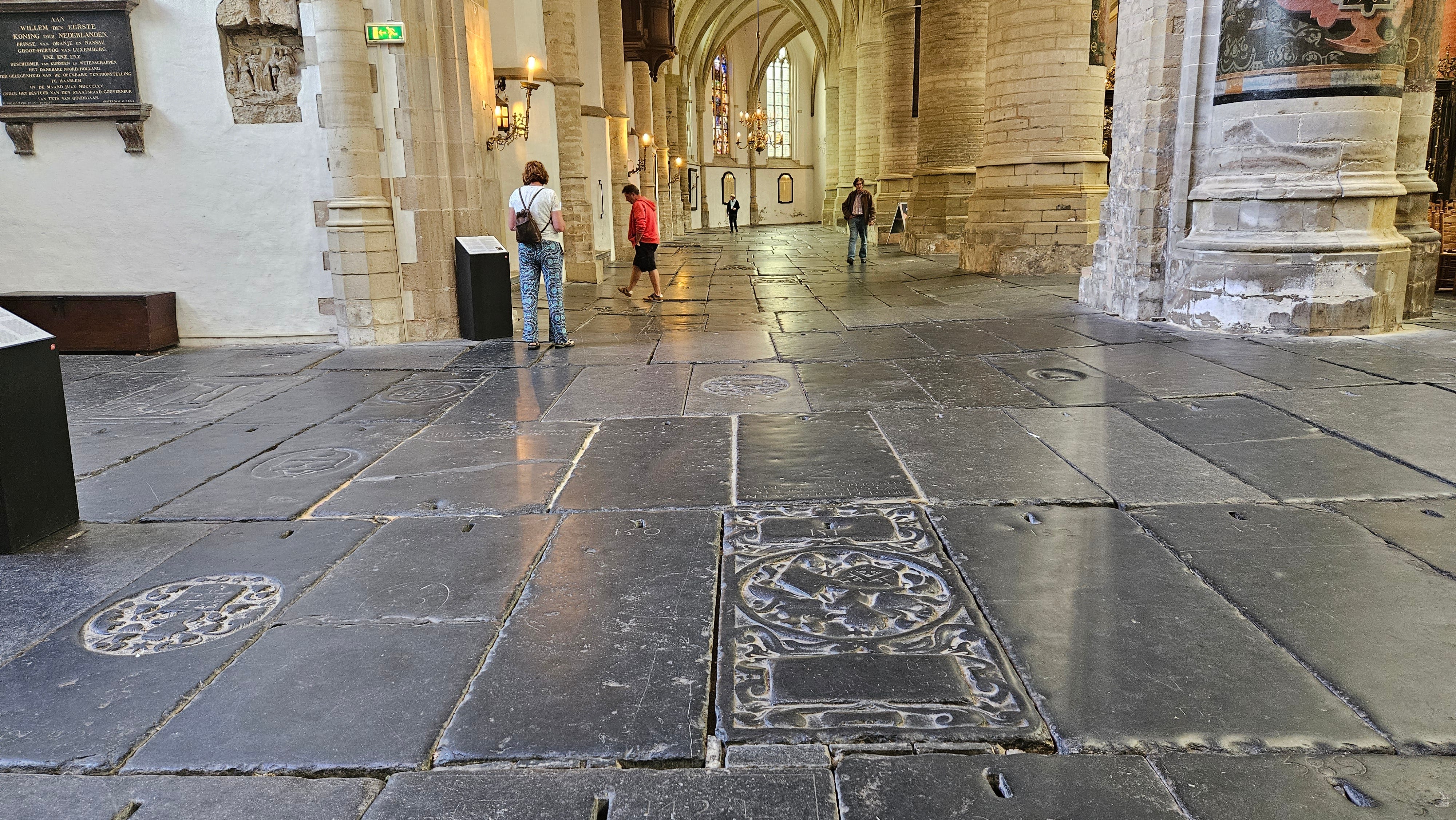
The inside length of the church stretches for an amazing 108 meters (354 ft.). Another interesting fact is that its stone floors consist entirely of gravestones!
I decided to return to St. Bavo on Sunday evening to listen to Evensong, which is a tradition in Anglican churches that I have always wanted to experience. (Although the church is still Dutch Reformed, it hosts Anglican choral music on Sunday evenings during the summer.)
Evensong traditionally takes place near twilight, is meant to encourage contemplation, and consists of sacred music and prayers rather than a typical sermon. At St. Bavo, a choir comprised of 10 men and 10 women led the service. They stood in front of the church and sang in English while being accompanied by the organist. The prayers, however, were led by a minister speaking in Dutch.
The congregation was invited to sing two songs. The man sitting next to me was English and had grown up in the Anglican tradition, so he knew all of the songs and prayers. I listened to him sing the first verse and then followed his lead for the other verses, which was really fun.
The Vleeshall
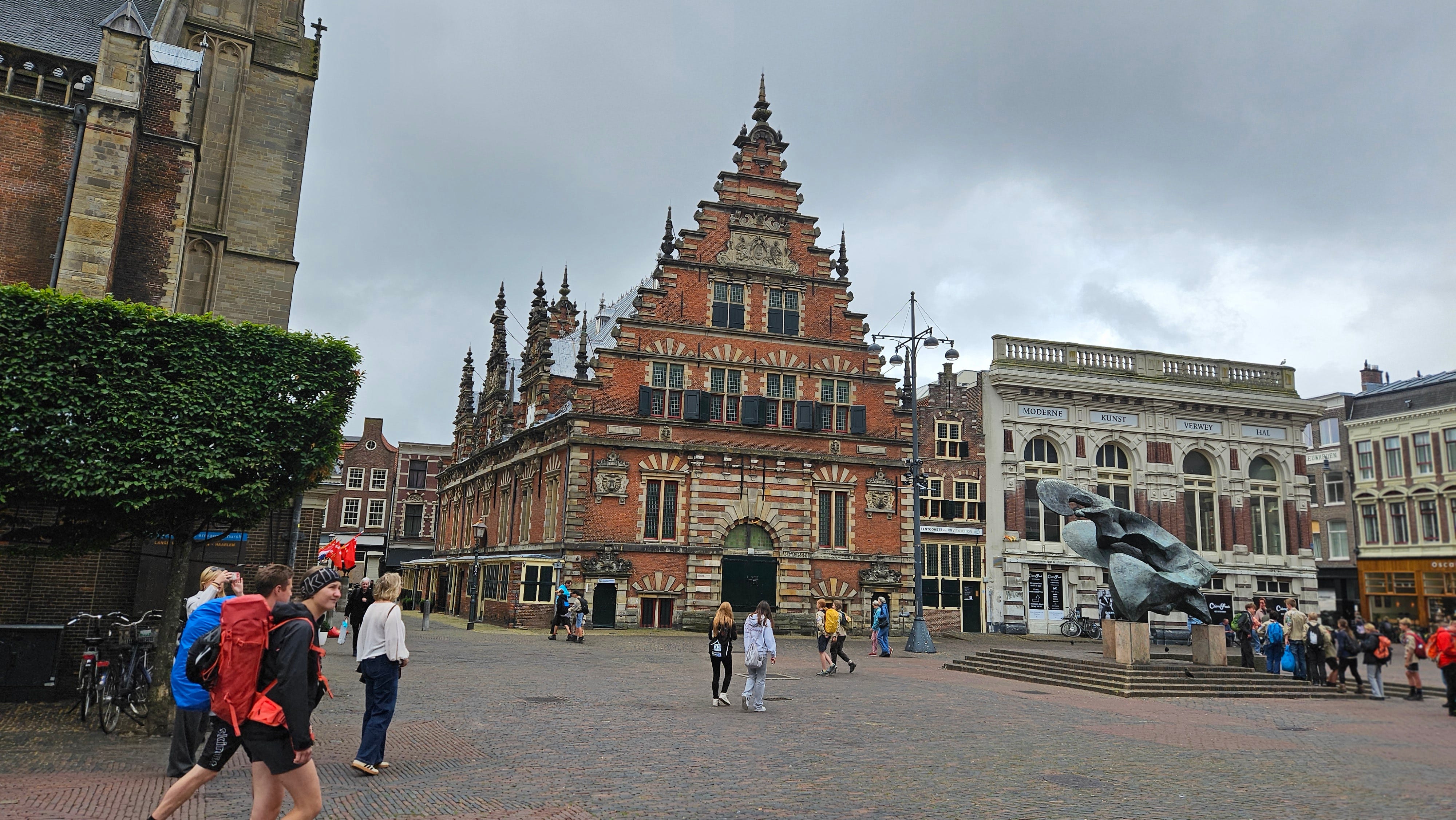
Adjacent to St. Bavo’s Church is a fascinating building called the Vleeshall (meat hall). Built in 1602-1603, it is made from red bricks, has ornate gables, decorative yellow stonework, and turrets that look like spikes piercing the sky. The design seems rather elaborate for a building originally designed to house a meat market! Today it is used as a repository for some of the collections of the Frans Hals Museum.
Saturday Market
A lively market takes place every Saturday in the square, and vendors offer all kinds of goods—from food and flowers to furniture.
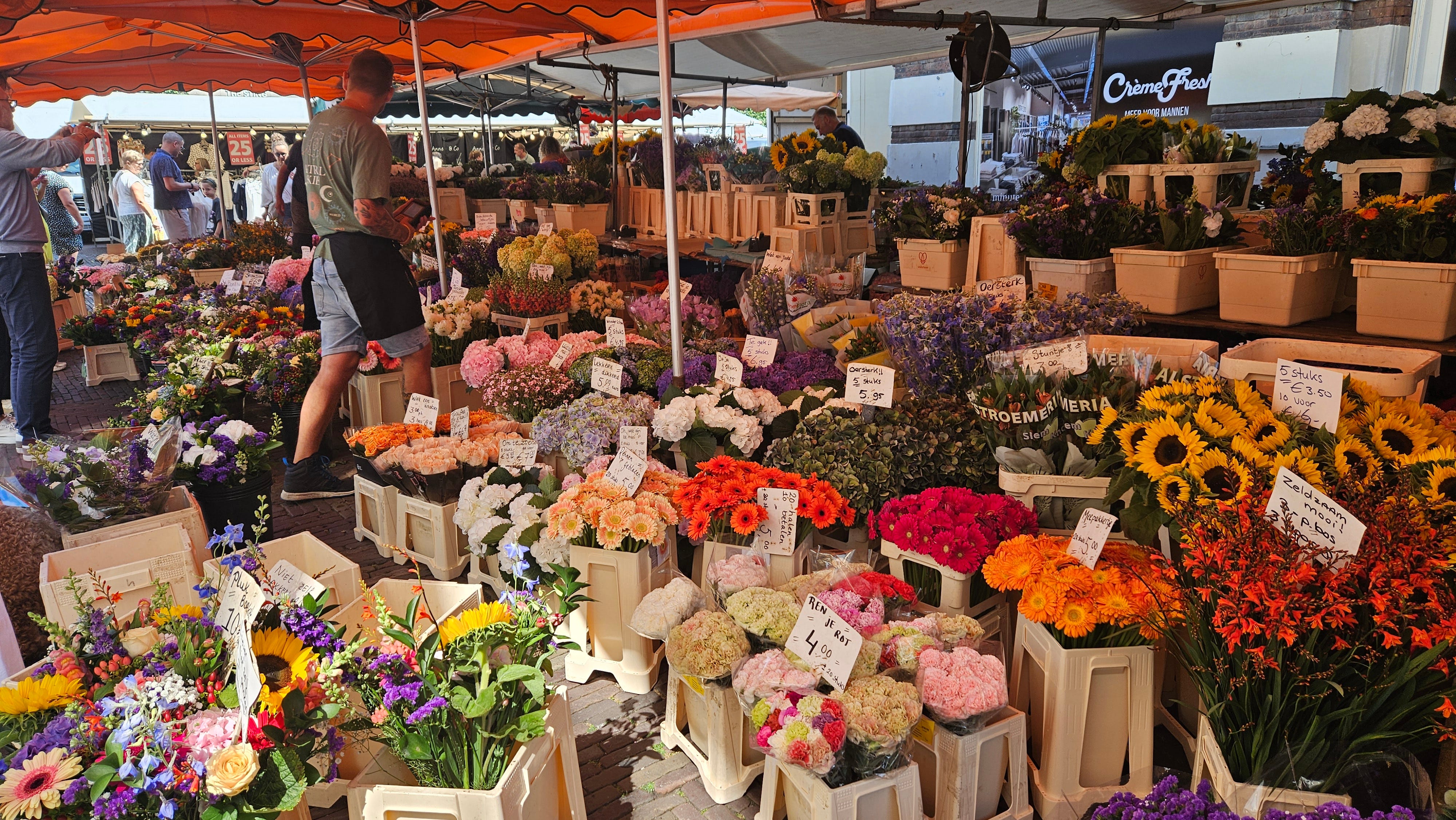
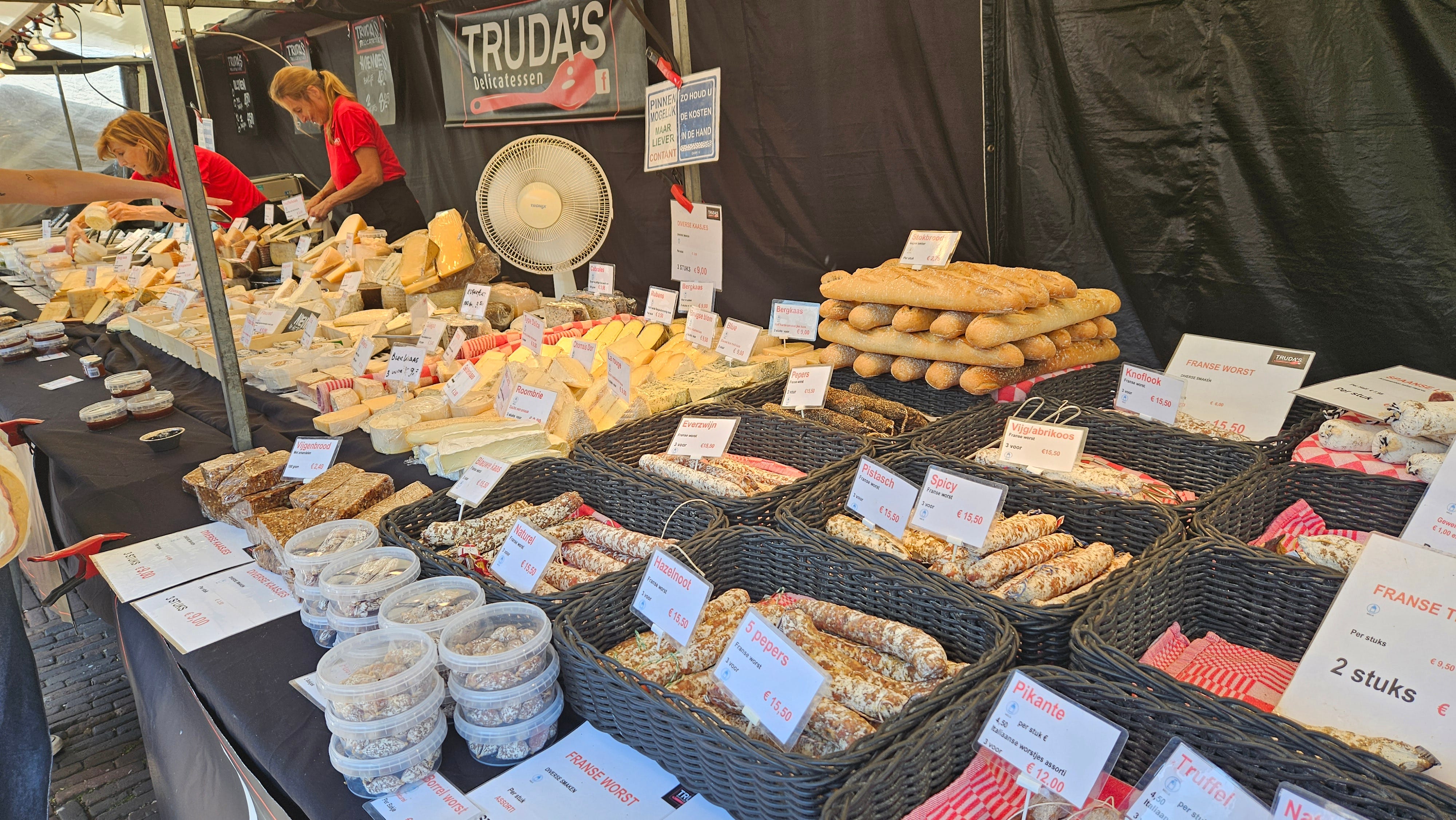
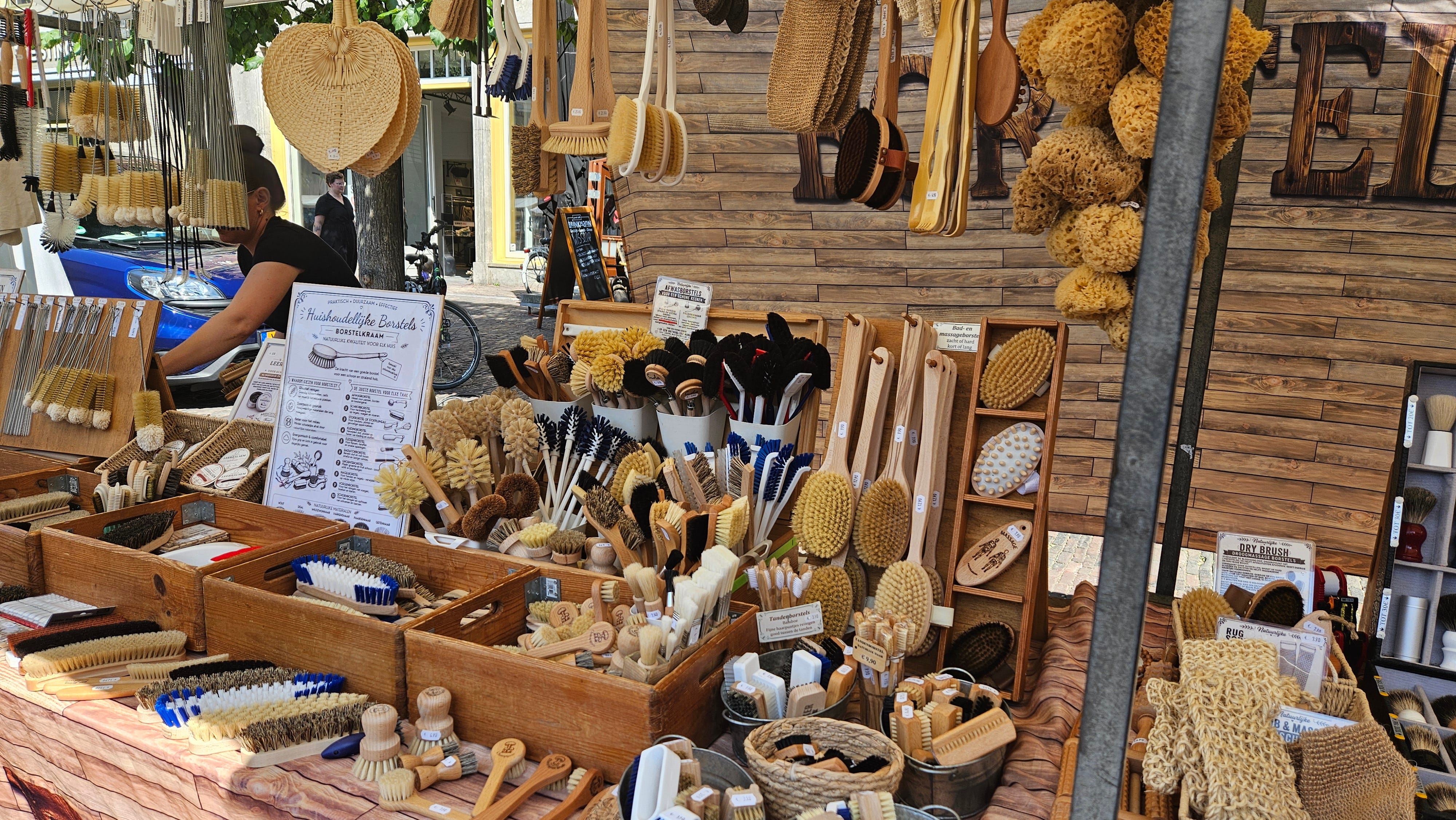
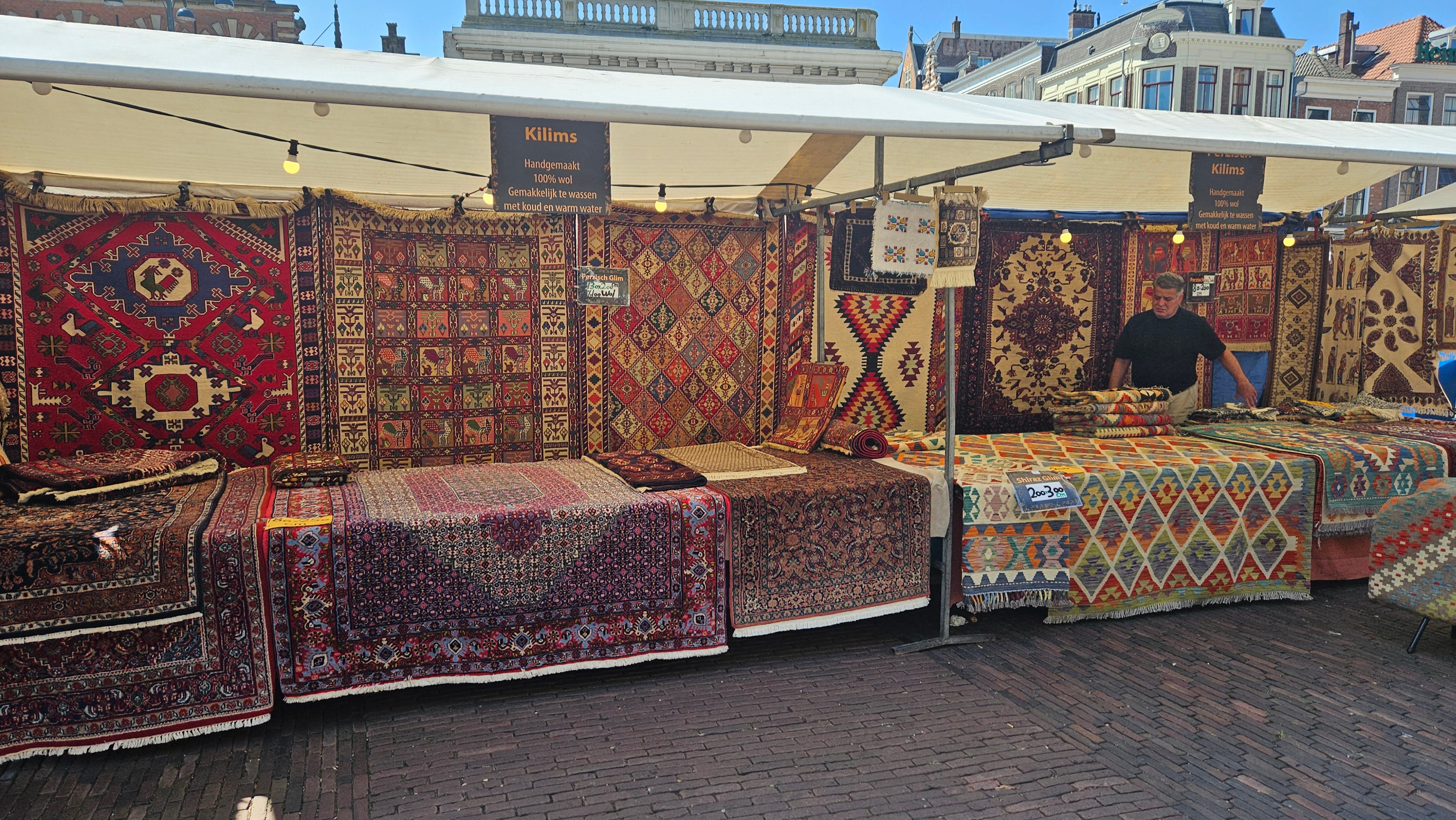
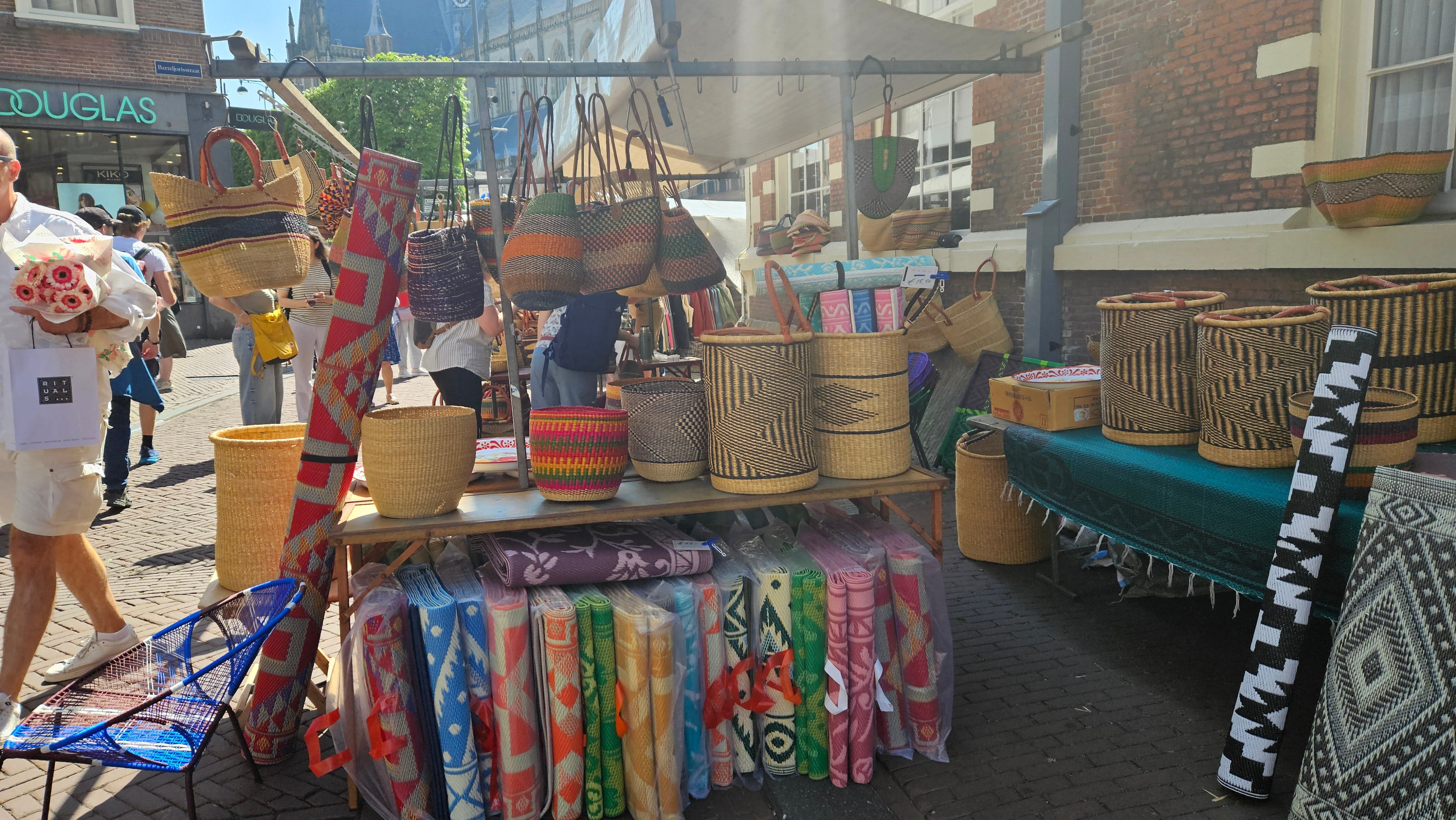
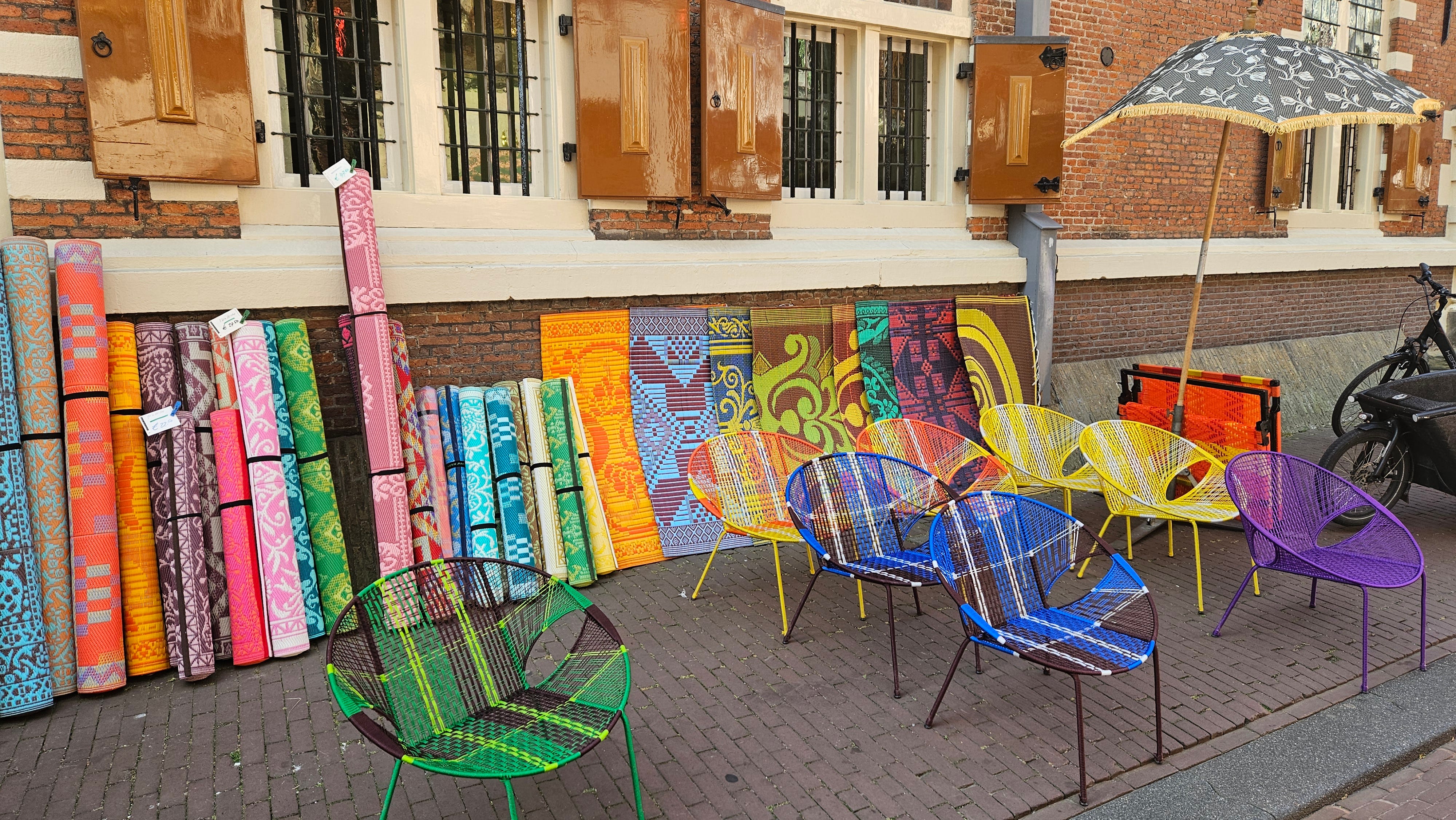
If I actually lived in Haarlem, I would be here every Saturday and would find it difficult to resist buying stuff! For example, I really liked the colorful outdoor chairs in the picture above. Which is why later in the afternoon—when I was walking in a different part of town—it made me smile when I saw a young couple riding past on their bikes, each of whom was carrying one of these chairs.
The Spaarne River
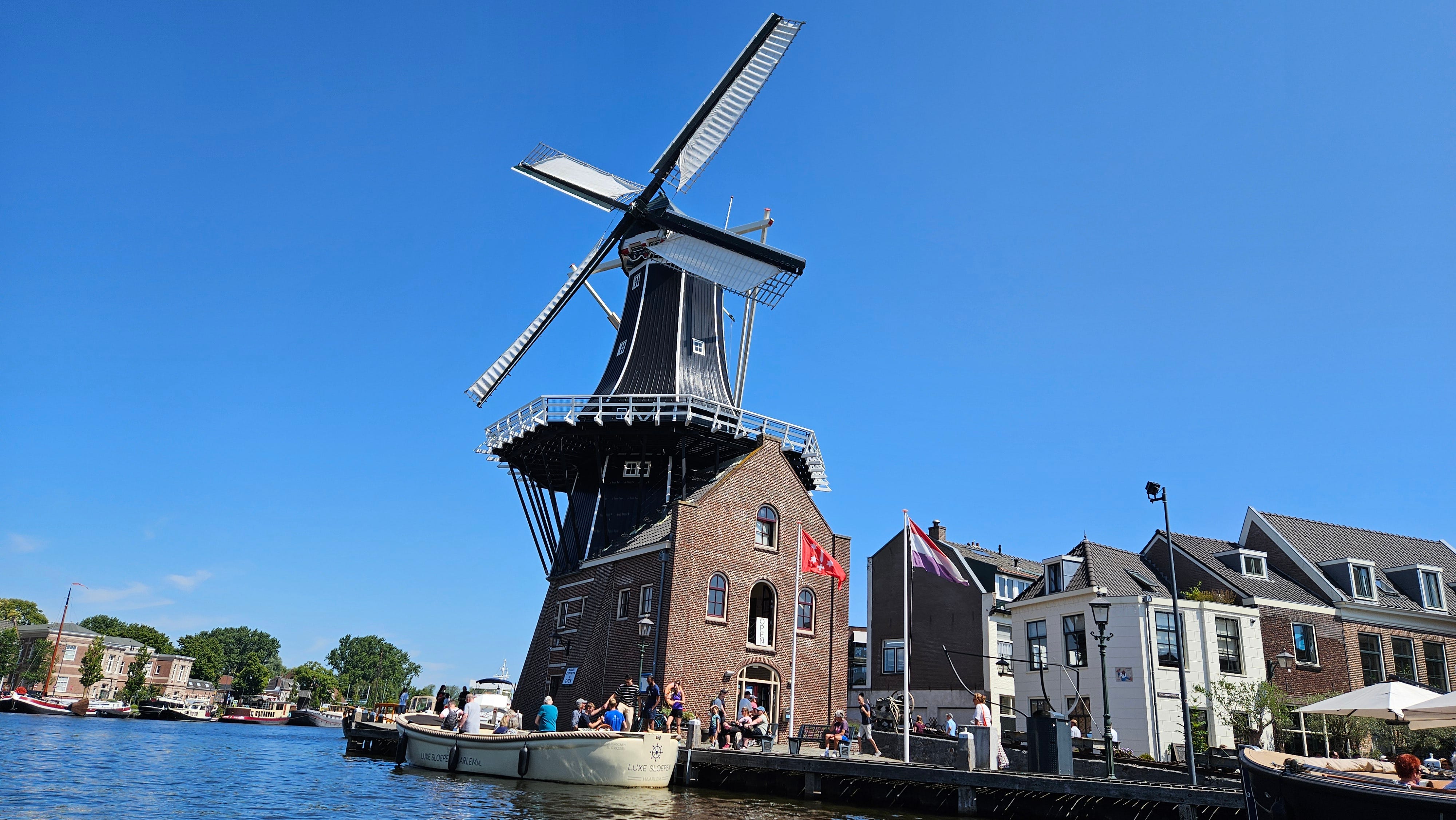
The Spaarne River flows through the heart of Haarlem. Today it looks more like a canal than a free-flowing river, so it is easy to miss the crucial role it has played in Haarlem’s history. I only discovered this myself after returning home and conducting some research.
Since then, I have learned that the Spaarne was originally a natural river that flowed north to the IJ, which was a large tidal body of water. The Ij connected to the Zuiderzee, which opened into the North Sea, thereby providing trade access to ports around the North Sea, Baltic Sea, England and beyond.
In the 13th century, Haarlem authorities decided to dam the Spaarne at what became Spaarndam in order to protect the city and surrounding lowlands from flooding and the salt water that came into it from the IJ. They also installed locks so that boats could still pass through the dam. This “bottleneck” enabled Haarlem to collect tolls on commercial traffic, greatly increasing the wealth of the city.
In addition, the Spaarne played a critical role in the development of Haarlem’s brewing industry, eventually enabling it to become one of the most important brewing capitals in Europe. It also supported the development of a major ship building industry.
When the Spanish Catholics took control of Antwerp in 1585, thousands of skilled Flemish weavers fled to Protestant Haarlem, bringing their knowledge of how to manufacture luxury silk, linen and damask with them and turning the city into a global textile powerhouse. To manufacture such goods, water from the Spaarne was used to rinse, wash and chemically bleach fabrics. Once processed, the finished fabrics were loaded directly onto ships and sent to customers around the world.
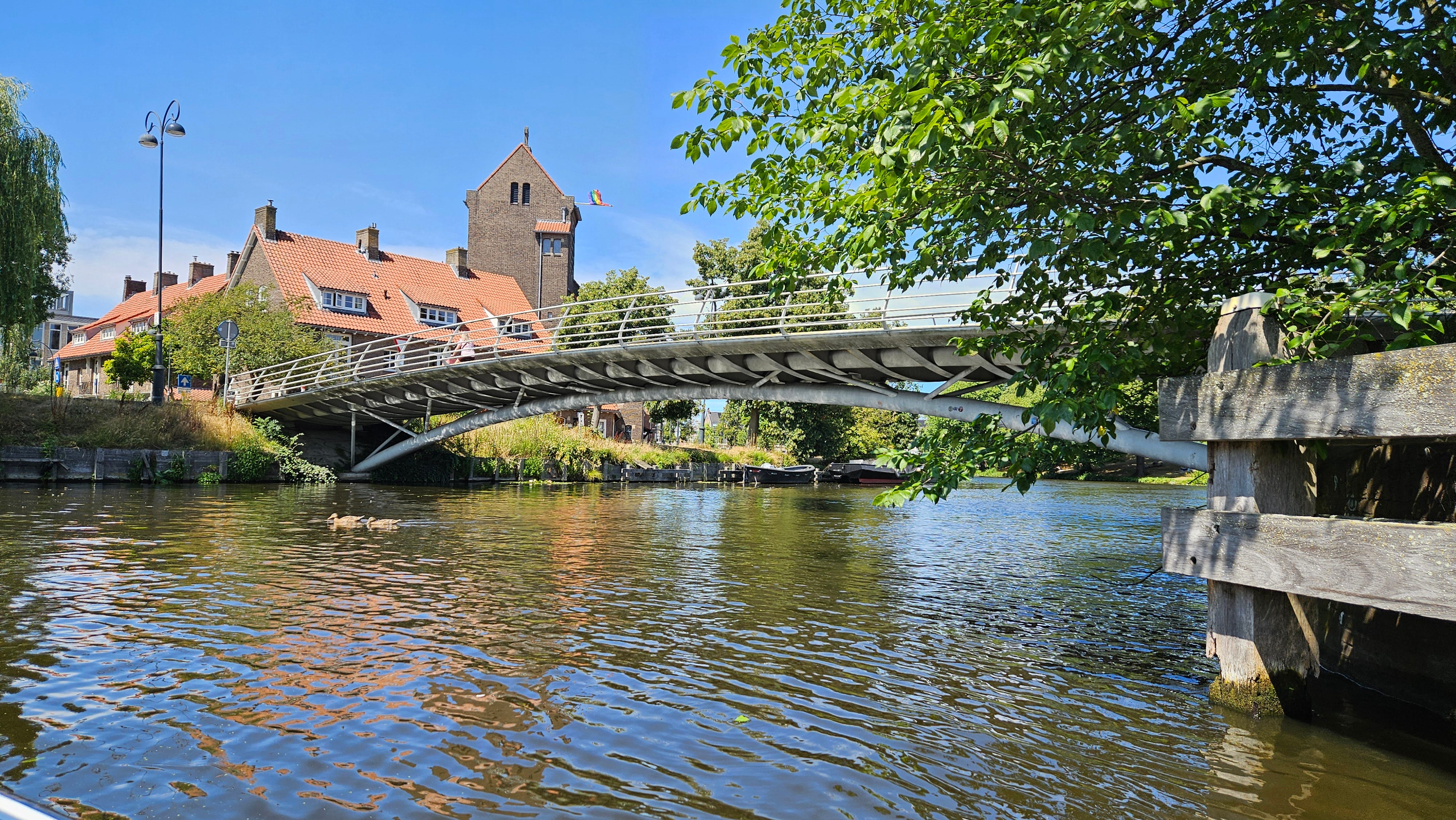
As the wealth of fabric merchants, bankers, brewers and shipbuilders grew, their desire to decorate their new canal homes also grew, leading to an enormous demand for art. This, in turn, led to the Golden Age of Dutch painting (1580-1700) and the amazing work of artists like Rembrandt, Vermeer and Frans Hals.
Teylers Museum
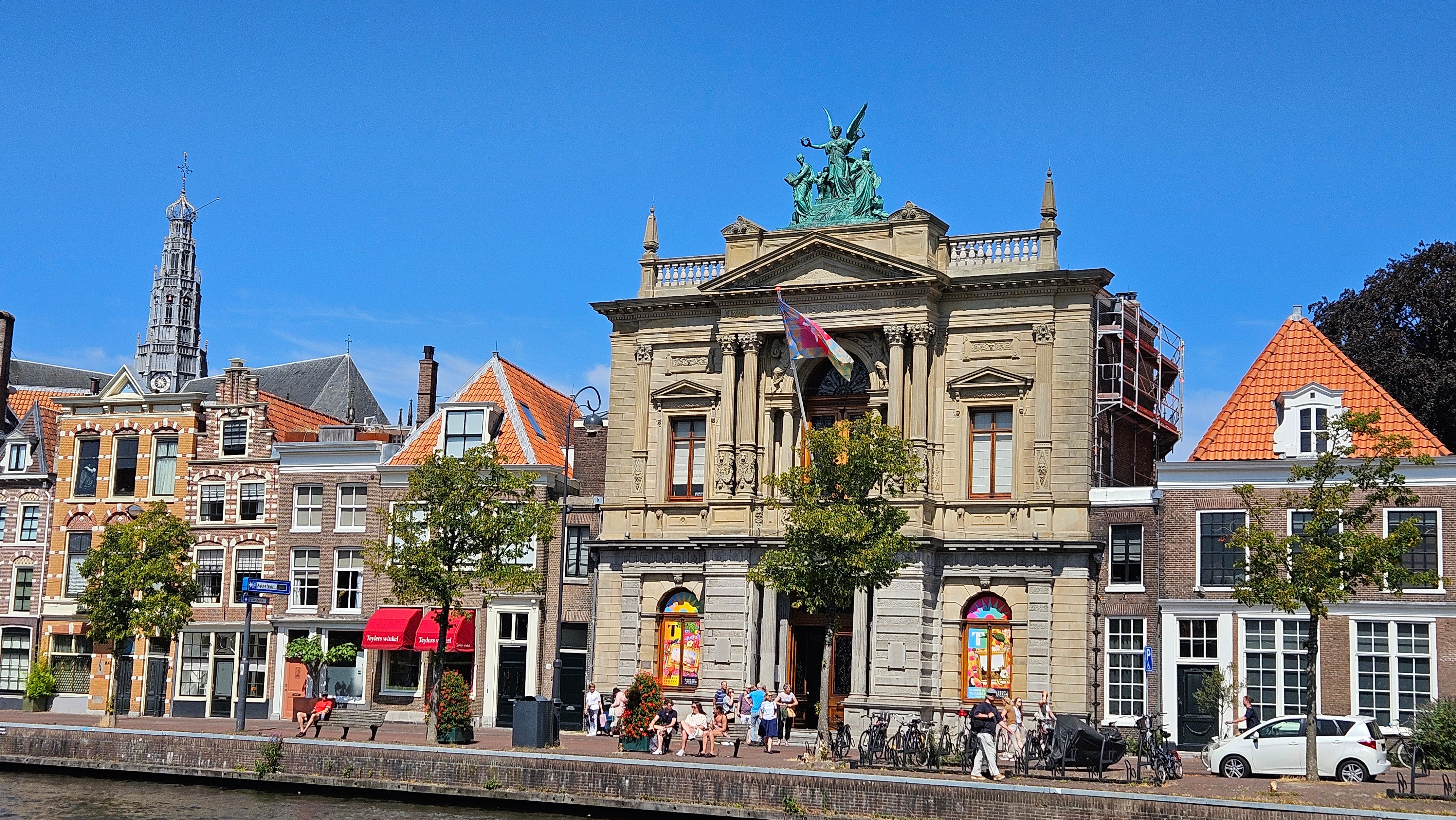
Teylers Museum is famous for being the oldest museum in the Netherlands. The more I have researched it, the more interesting it has become to me.
Pieter Teyler van der Hulst (1702-1778) was a wealthy merchant, silk manufacturer, banker, collector and philanthropist in Haarlem. Because he and his wife Helena had no living children, his will stipulated that his enormous fortune be used to encourage a better society through the development and transmission of knowledge about science, art and religion.
Five of Teyler’s friends came together upon his death to carry out his wishes. They began by building an oval room on his house that opened in 1784 as the first research institute and museum in the Netherlands.
In 1787 the five friends also funded the building of a hofje that became the largest charitable almshouse for poor elderly women in Haarlem. (Teylers hofje still exists today and still provides housing for women.)
The museum’s collection includes fossils, minerals, scientific instruments, books, coins, paintings and drawings. Among these are approximately 75,000 fossilized remains and traces of extinct plants and animals, as well as nearly 18,000 scientific instruments and inventions dating from the 18th to the early 20th century.
In addition, the collection includes almost 40,000 books focused on classical literature, natural history and science—most of which were published in the 18th and 19th centuries. The collection also includes around 100,000 scientific journals and publications that enabled scientists of the day to stay current with what their colleagues were discovering—not only in Europe, but also around the world.
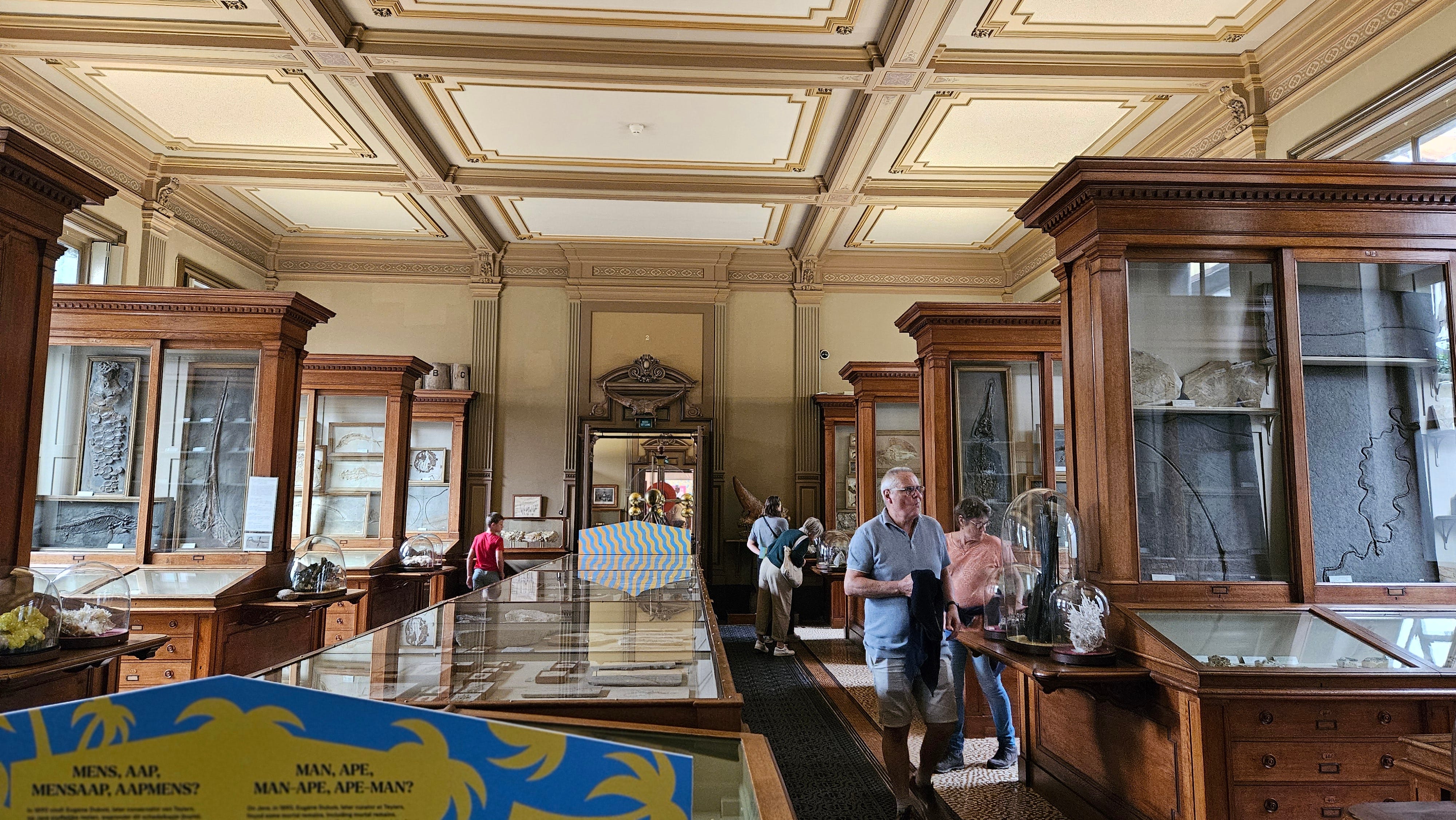
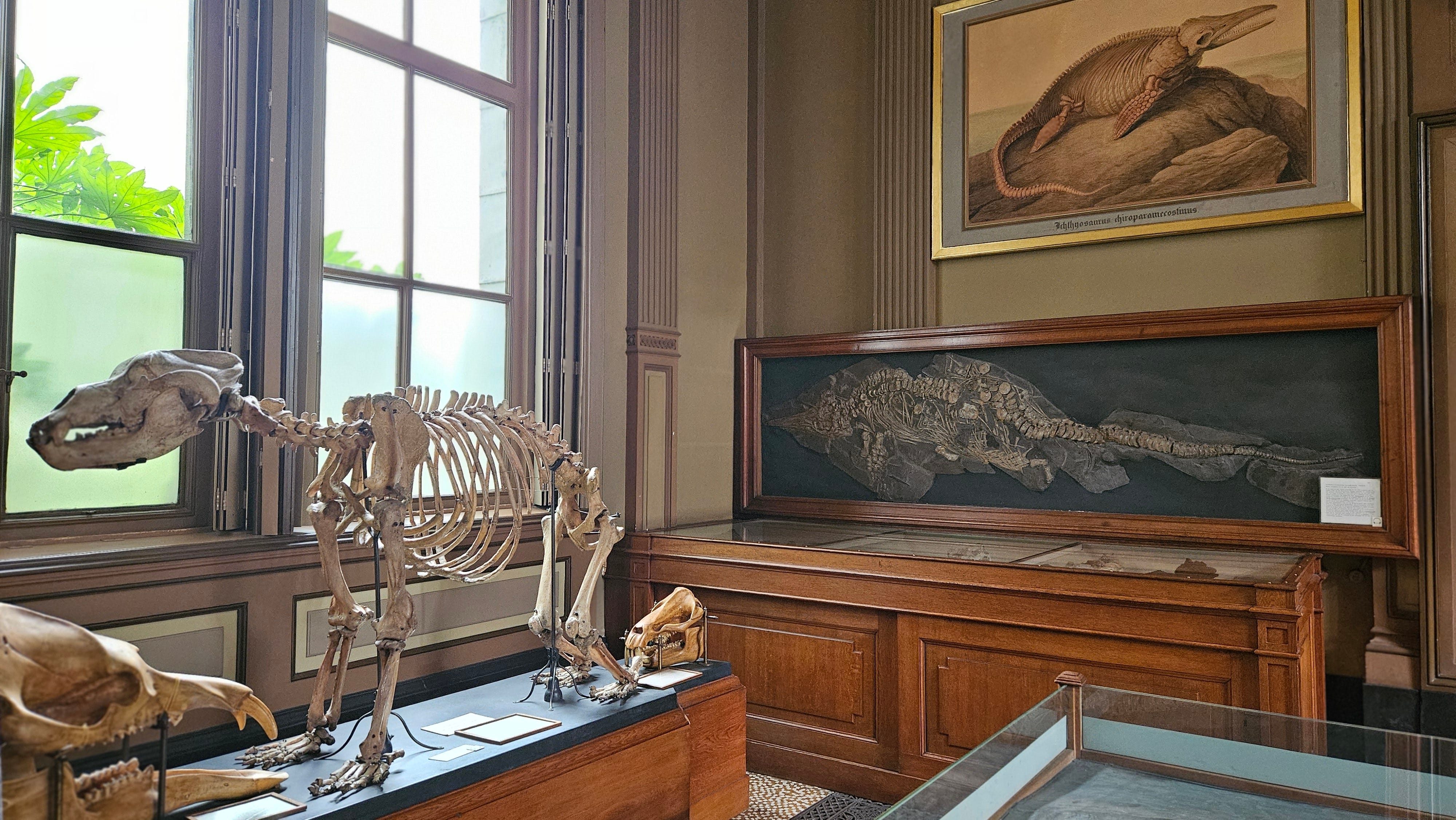
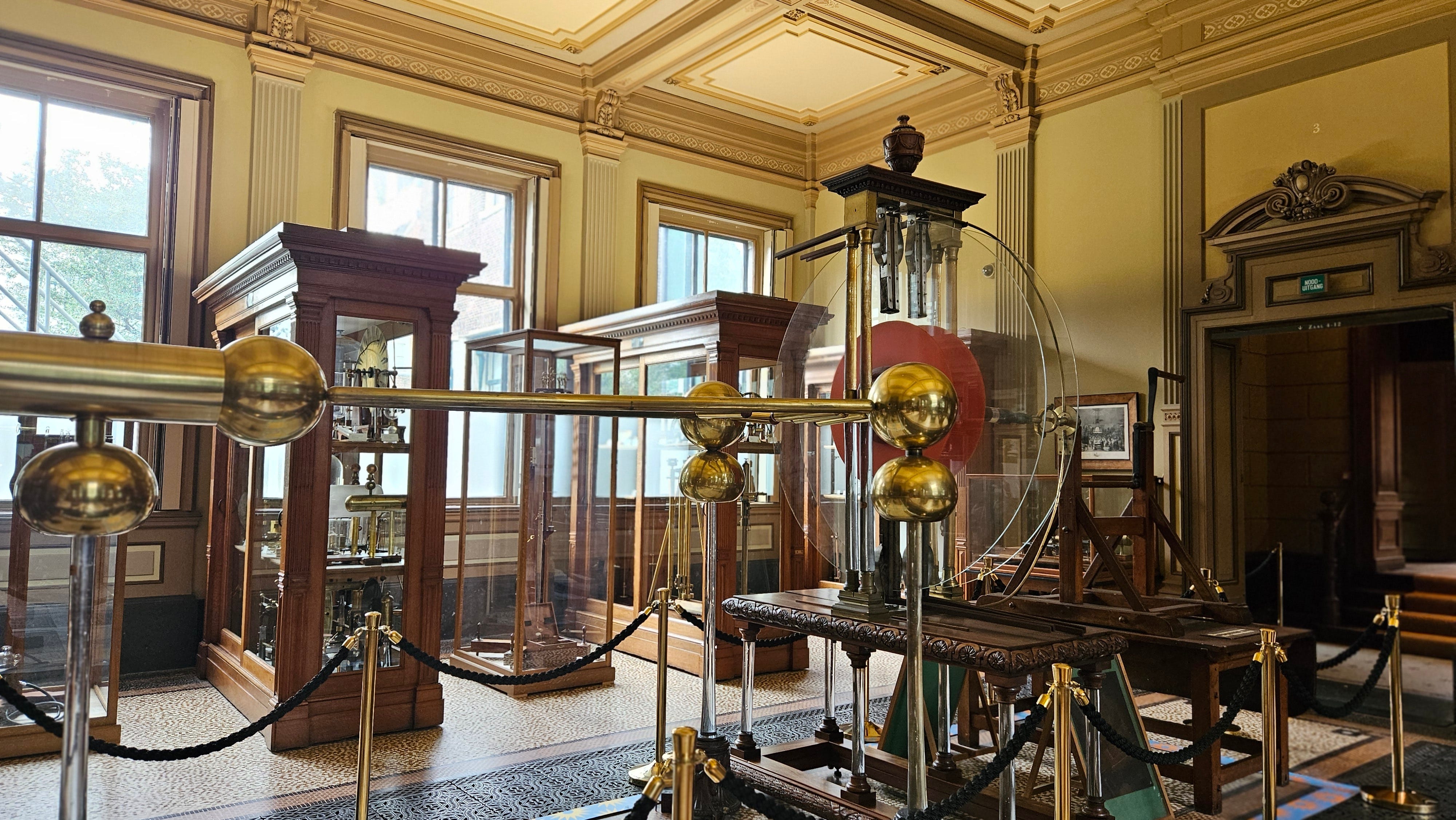
I am absolutely amazed by what one wealthy man could do to help humanity through a commitment to science, education, art and the welfare of his community—and how far removed from this sense of responsibility to give back to society the mega-wealthy of our time seem to be.
I was planning to make this my last post on Haarlem, but it is already long, and I still want to tell you about the restaurants I discovered and share some travel tips, too. So I am going to stop for now and make one more post next week!
What a fascinating city with an amazing history. What are the major industries in the city now? Tourism?
Great article part 2 Clarice. Love the look of the market. Beautiful photos 😍